
Civic Responsibility
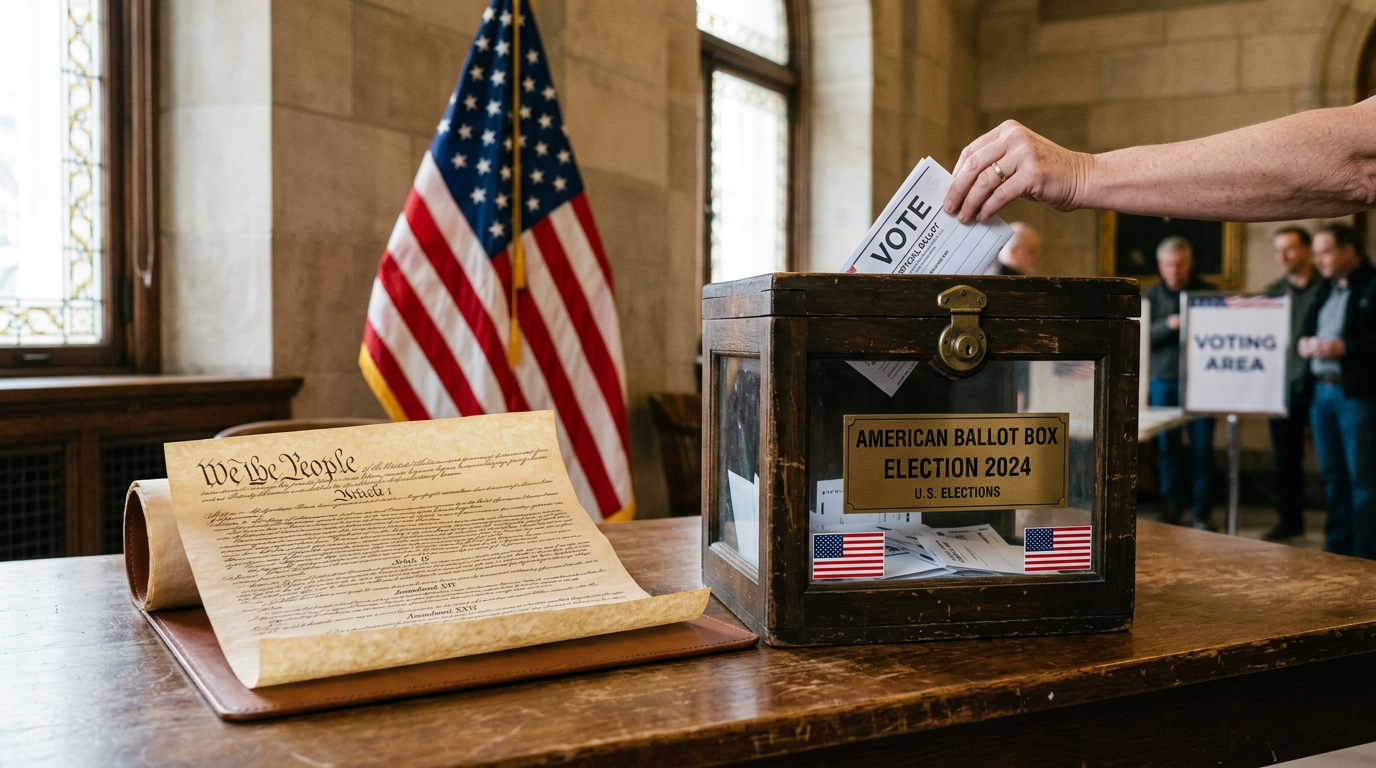
Does the Constitution Guarantee the Right to Vote?
Does the Constitution actually guarantee Americans the right to vote? The answer requires more than reading the original 1787 document. Part 2 of The Founding Standard’s election-law series examines the constitutional amendments, Supreme Court decisions and federal laws that created the modern legal protection of voting.
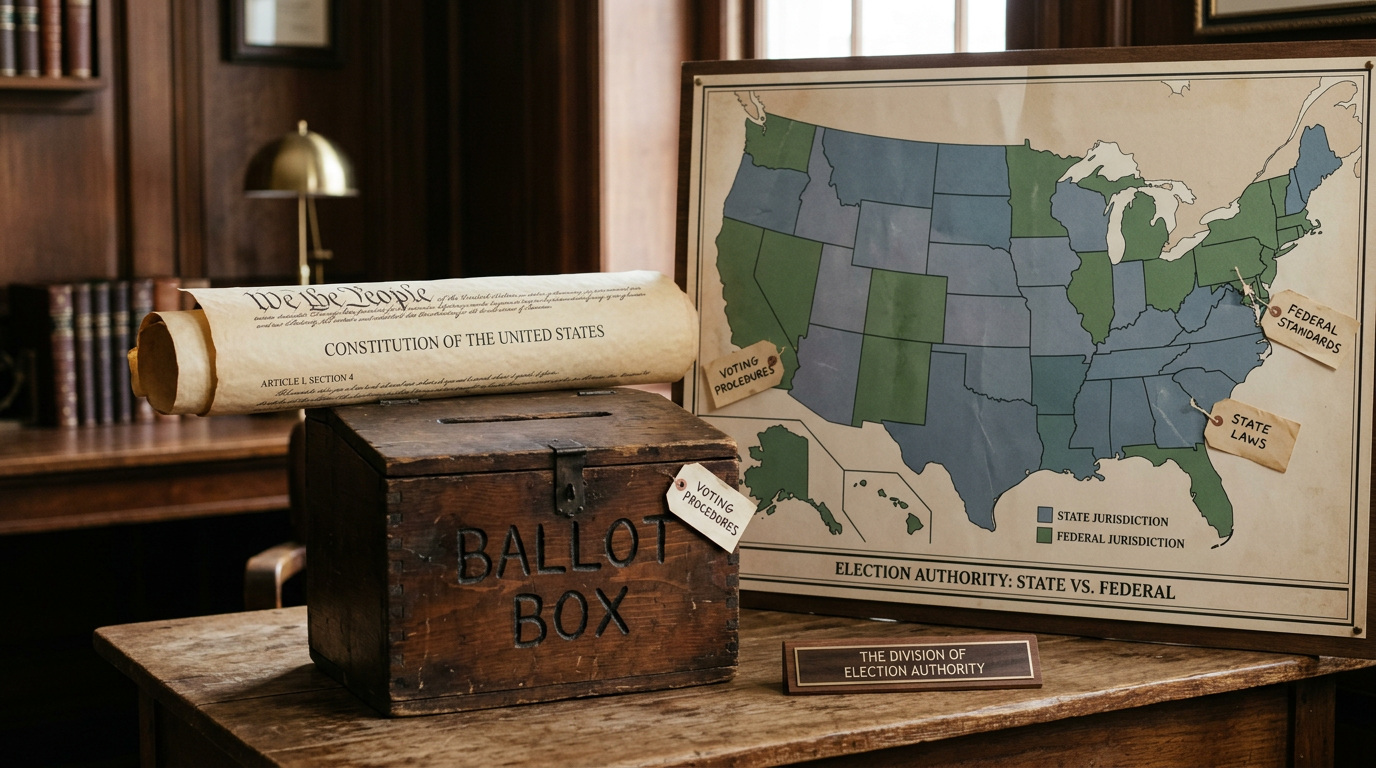
Who Actually Controls American Elections: The States or the Federal Government?
Who actually controls American elections? The Constitution gives states broad authority to administer voting while giving Congress significant power over federal elections and protecting voters through constitutional amendments and federal law. Part 1 of The Founding Standard’s 2026 election-law series explains where those powers begin—and where they end.
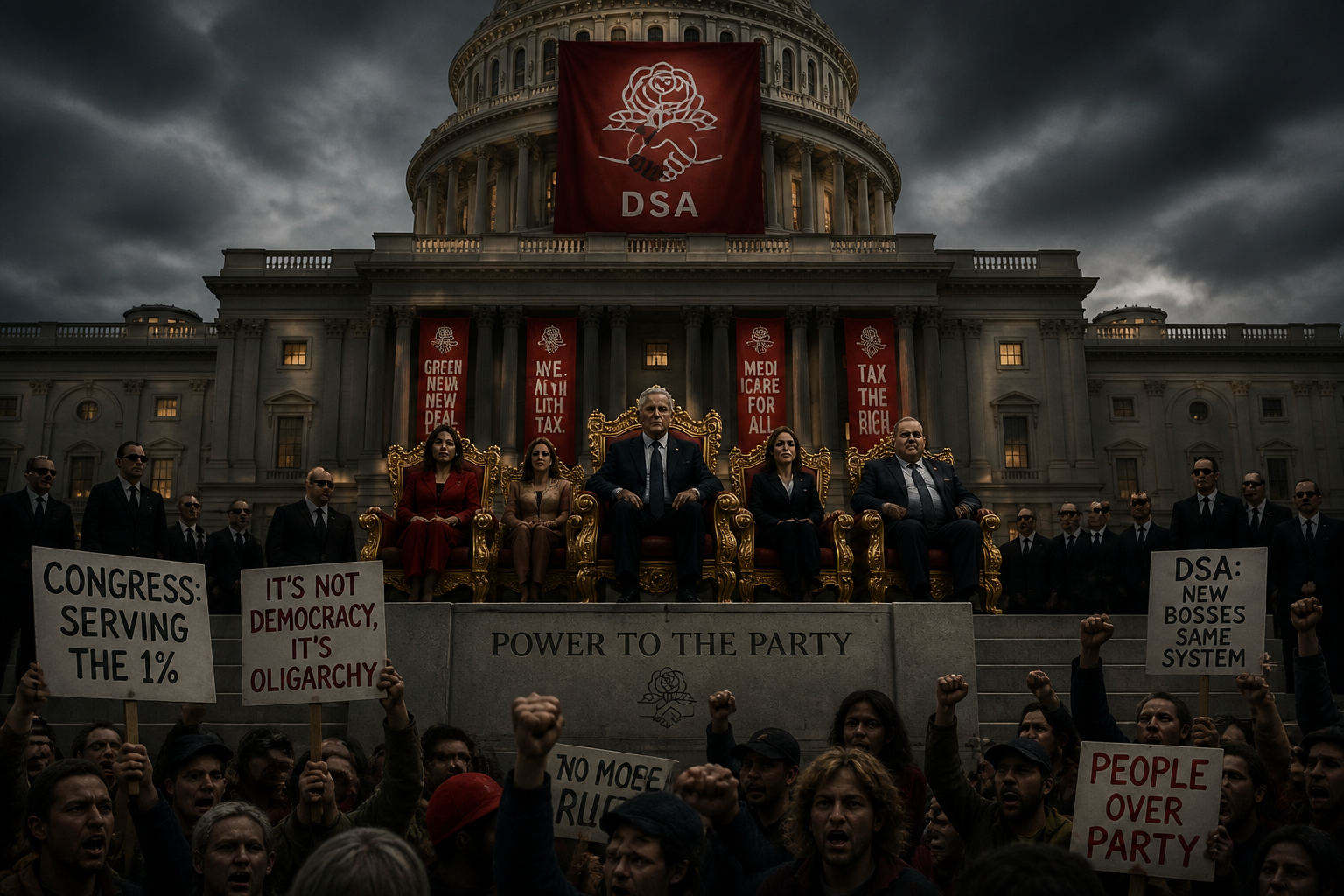
Does the DSA Solve the Problem of Oligarchy—or Move the Power Somewhere Else?
DSA says it wants to end capitalist oligarchy, but its program would also make Congress substantially more powerful. What happens to checks and balances, term limits, judicial independence, and concentrated political power?

What Is America’s Biggest National Security Threat?
United States surrounded by representations of military, nuclear, cyber, infrastructure, and foreign national security threats
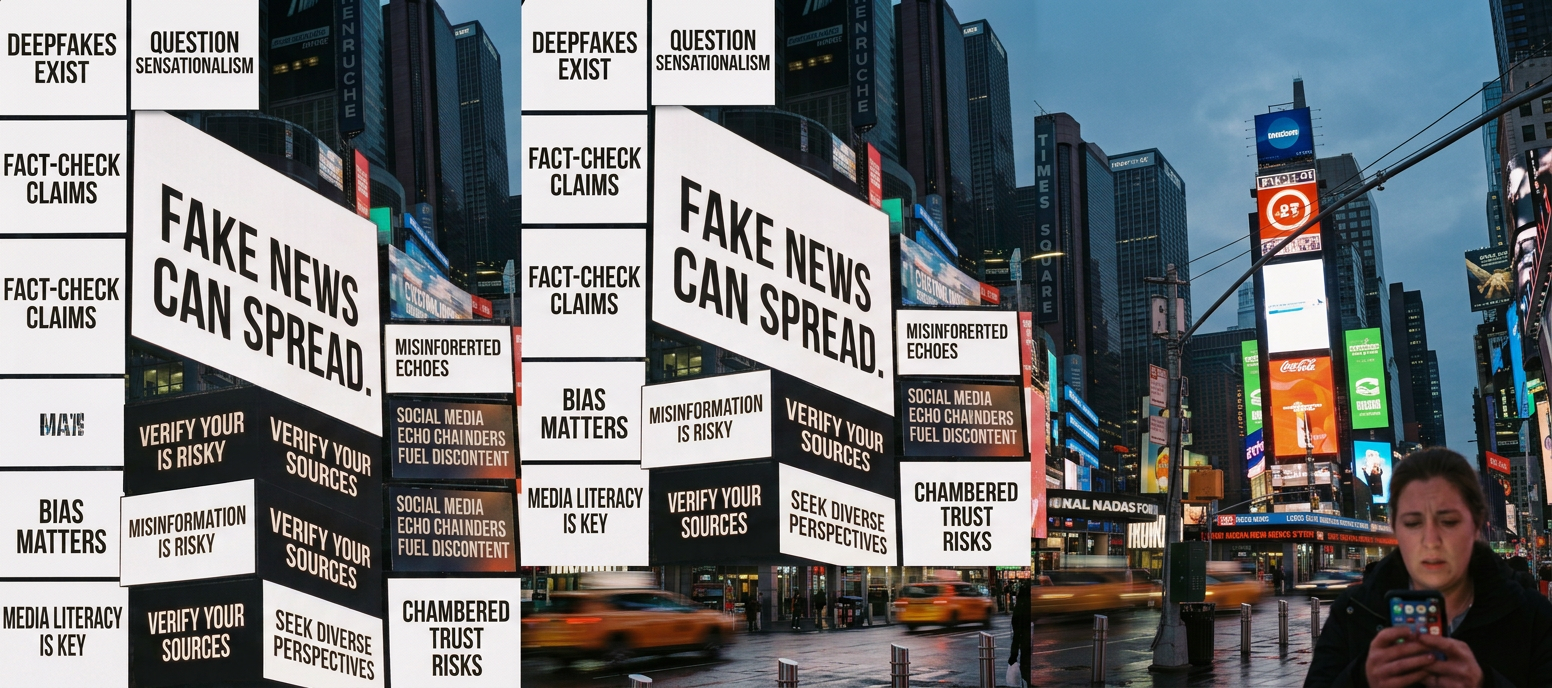
Why Americans Can No Longer Agree on Basic Facts
Americans viewing conflicting news and political information representing disagreement over facts and media trust
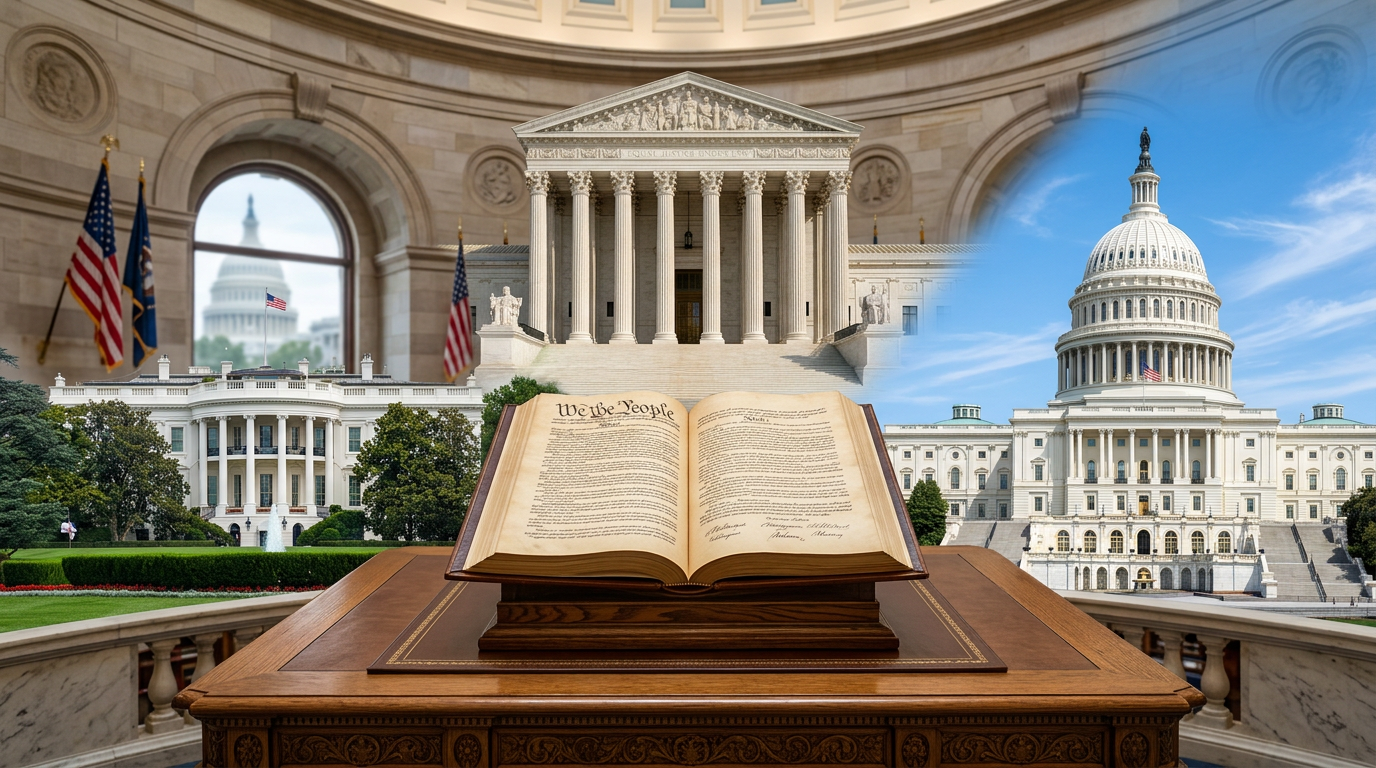
Who Really Has the Final Say: Congress, the President, or the Supreme Court?
The Constitution does not place one branch permanently above the others. Instead, it creates a system in which Congress writes laws, the president executes them, courts interpret them, and each branch possesses tools that can restrain the others. Americans often talk about the federal government as though one institution must ultimately be in charge. Congress…
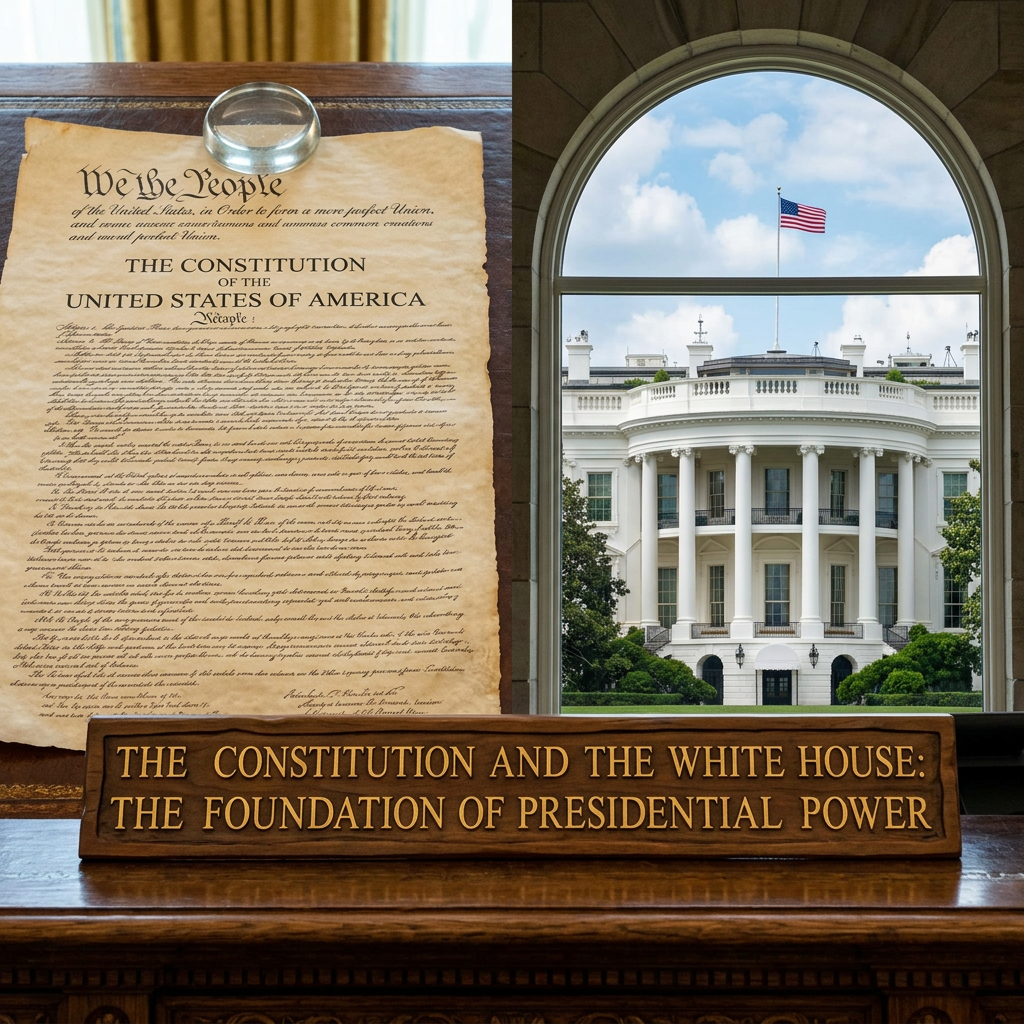
How Much Power Should the President Have?
The Constitution created a strong executive—but not an unlimited one. The harder question is where presidential authority ends and the powers of Congress and the courts begin. Few political questions expose American partisan inconsistency as clearly as presidential power. When a president pursues policies we support, decisive executive action can look like leadership. When a…
Is America Losing Faith in Its Constitutional Republic?
In 2026, American dissatisfaction with democracy reached a historic low, raising concerns about trust in the Constitution. Current issues stem more from political polarization, institutional failures, and rapid information dissemination rather than constitutional flaws. The Constitution’s design, emphasizing checks and balances, may appear dysfunctional but serves to prevent the concentration of power.

What Does It Mean to Be a Responsible Citizen in a Constitutional Republic?
Citizenship encompasses legal status and civic engagement, emphasizing the need for responsible participation in public life. A constitutional republic thrives on citizens who understand their rights and responsibilities, prioritize informed action over blind loyalty, and respect others’ rights, fostering a community committed to truth, accountability, and civic virtue.