
The Founding Standard Staff

What Does the Constitution Actually Say About the Separation of Church and State?
The phrase “separation of church and state” does not appear in the Constitution. But the Constitution does establish important limits on government involvement with religion—and equally important protections for religious exercise. Few phrases in American politics are invoked as confidently—or interpreted as differently—as “the separation of church and state.” For some Americans, the phrase means religion…
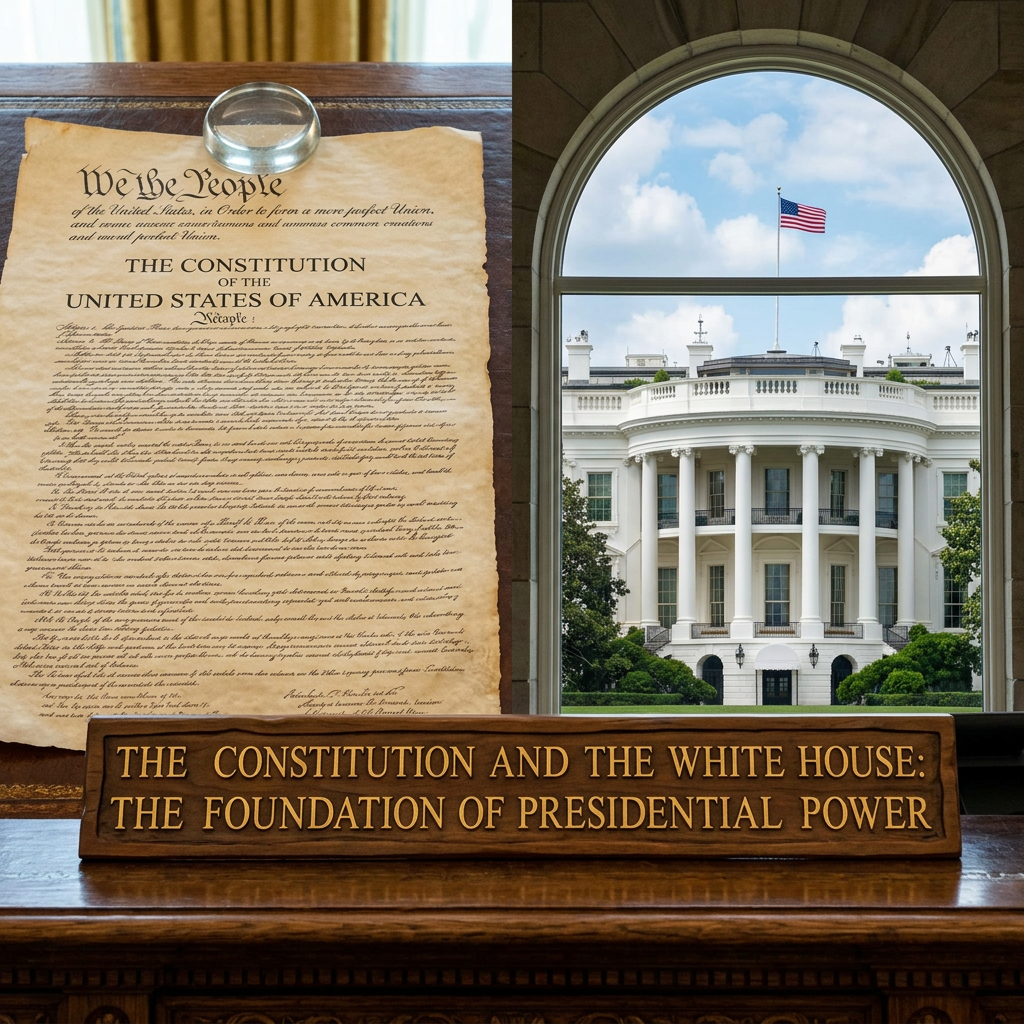
How Much Power Should the President Have?
The Constitution created a strong executive—but not an unlimited one. The harder question is where presidential authority ends and the powers of Congress and the courts begin. Few political questions expose American partisan inconsistency as clearly as presidential power. When a president pursues policies we support, decisive executive action can look like leadership. When a…
Is America Losing Faith in Its Constitutional Republic?
In 2026, American dissatisfaction with democracy reached a historic low, raising concerns about trust in the Constitution. Current issues stem more from political polarization, institutional failures, and rapid information dissemination rather than constitutional flaws. The Constitution’s design, emphasizing checks and balances, may appear dysfunctional but serves to prevent the concentration of power.

What Is the Democratic Socialists of America? Its History, Structure, Goals, and Political Influence
The Democratic Socialists of America is a member-led activist organization seeking a democratic socialist transformation of American politics and economic life. Understanding it requires separating its official program from its local chapters, internal factions, endorsed candidates, and the broader ideology of democratic socialism.
What Is Democratic Socialism? Democracy, Economic Power, and the Debate Beyond Capitalism
Democratic socialism seeks to extend democratic control beyond government and into economic life. Its supporters argue that political democracy is incomplete when wealth and workplaces remain concentrated in private hands; critics question whether social ownership can preserve liberty, pluralism, innovation, and meaningful limits on state power.
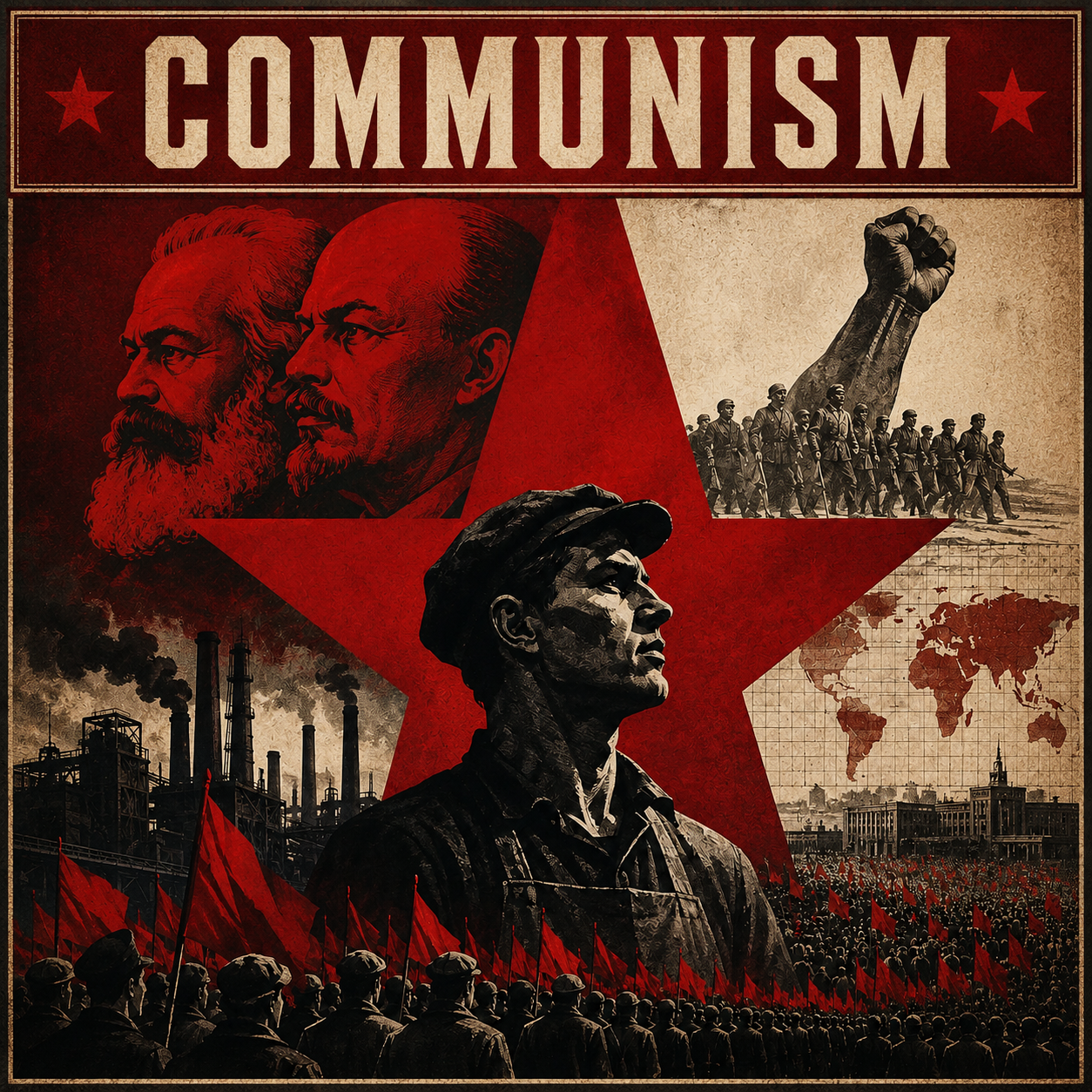
What Is Communism? Its Theory, History, Promises, and Record
Communism, a contentious political ideology, seeks to abolish class divisions and private property. While it has inspired social movements and sought to address inequalities, its implementation has often led to authoritarianism, suppression of dissent, and significant human costs. The ongoing debate centers around whether these outcomes stem from its core principles or external factors.

What Is Socialism? Its Ideas, History, Arguments, and Criticisms
Socialism is a complex ideology concerned with the social control and ownership of productive resources, contrasting with capitalism’s private ownership. It encompasses various traditions, each with distinct views on state ownership, market functions, and democratic processes. The debate surrounding socialism includes both advocates and critics, emphasizing the need for careful examination of proposed systems and…
What Does It Mean to Be a Responsible Citizen in a Constitutional Republic?
Citizenship encompasses legal status and civic engagement, emphasizing the need for responsible participation in public life. A constitutional republic thrives on citizens who understand their rights and responsibilities, prioritize informed action over blind loyalty, and respect others’ rights, fostering a community committed to truth, accountability, and civic virtue.
How Propaganda Works: A Practical Guide to News, Persuasion, and Manipulation
Propaganda encompasses more than just falsehoods; it can include selective truths, emotional manipulation, and the strategic omission of context. Distinguishing between propaganda, journalism, and persuasion is vital, as both misinformation and disinformation can mislead. Critical engagement and verification standards are necessary to assess claims accurately and foster informed conclusions.
Religion, Islam, and Political Islam: Why the Distinctions Matter
Discussions on Islam and related topics often conflate diverse terms, leading to misunderstandings. Islam is a religion, while Islamism and jihadism refer to distinct political ideologies and extremist movements, respectively. Accurate terminology is crucial to avoid collective blame, protect individual rights, and enable precise analysis of beliefs and actions in a pluralistic society.