
The Founding Standard Staff

How Should We Study American History? Patriotism, Evidence, and Honest Accountability
American history is a complex narrative that intertwines significant achievements with profound failures, such as slavery and discrimination. It requires careful investigation of both primary and secondary sources, contextualizing events and avoiding presentism. Understanding history fosters informed citizenship, recognizing both triumphs and injustices to navigate contemporary society responsibly.

What Is a Political Ideology? A Guide to the Ideas That Shape Government
Political ideologies provide comprehensive frameworks for understanding society, encompassing beliefs about authority, rights, and social organization. They often address key questions regarding human nature, government control, and equality. While ideologies inform political parties, they are distinct concepts. Understanding these differences helps clarify political discourse and prevent mislabeling of beliefs.
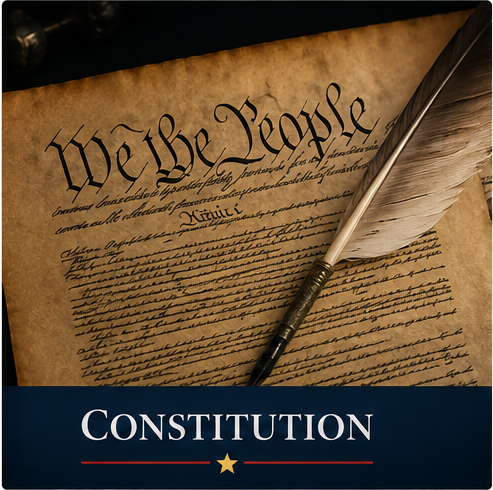
What Is the United States Constitution? A Brief History and Introduction
The United States Constitution, ratified in 1788, is the foundational document of the federal government, defining its structure, powers, and limitations. It addresses the interplay between federal and state authority and established checks and balances among branches. The Bill of Rights ensures individual liberties and reflects ongoing struggles for inclusivity and justice.